
Airframe SIOS:A Generative Ontology of Spatial‑Identity Operators
Explainer
A formal ontology of orientation, curvature, drift, torsion, and manifold alignment
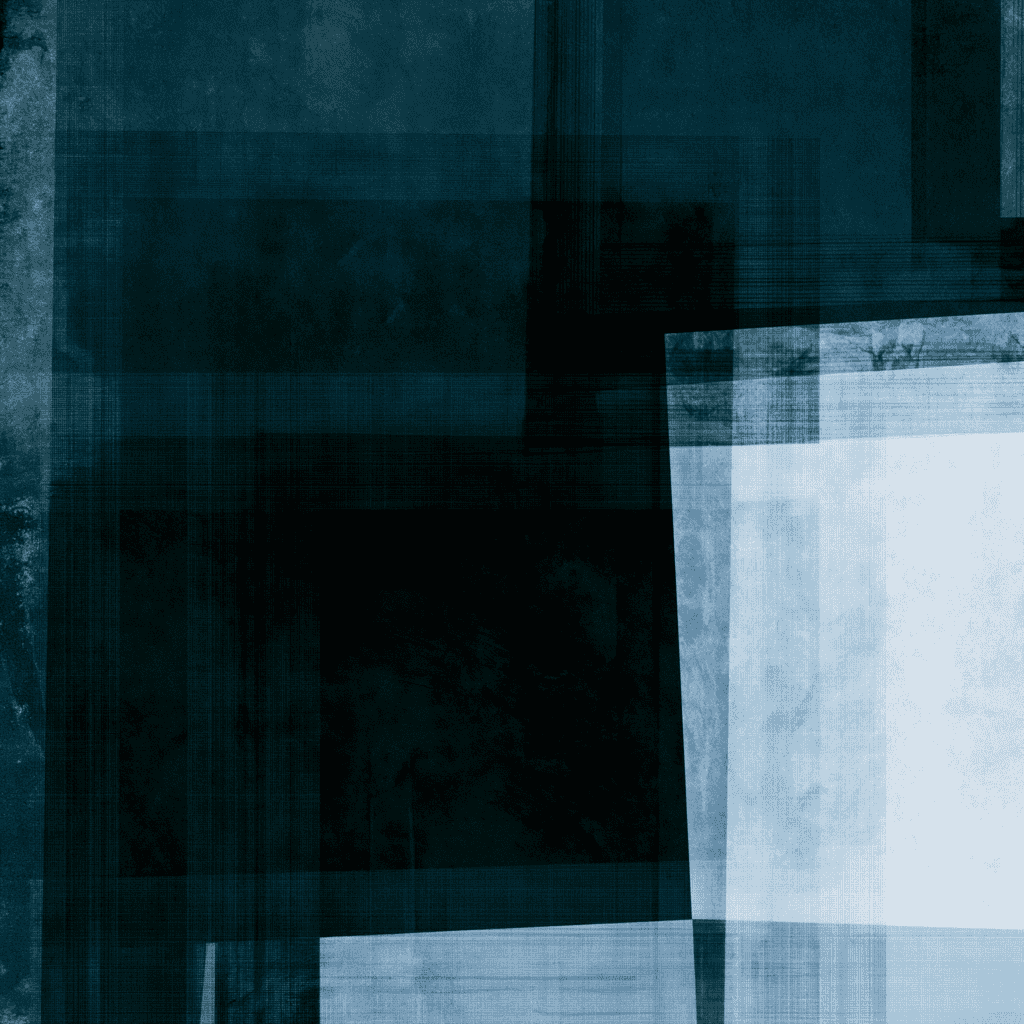
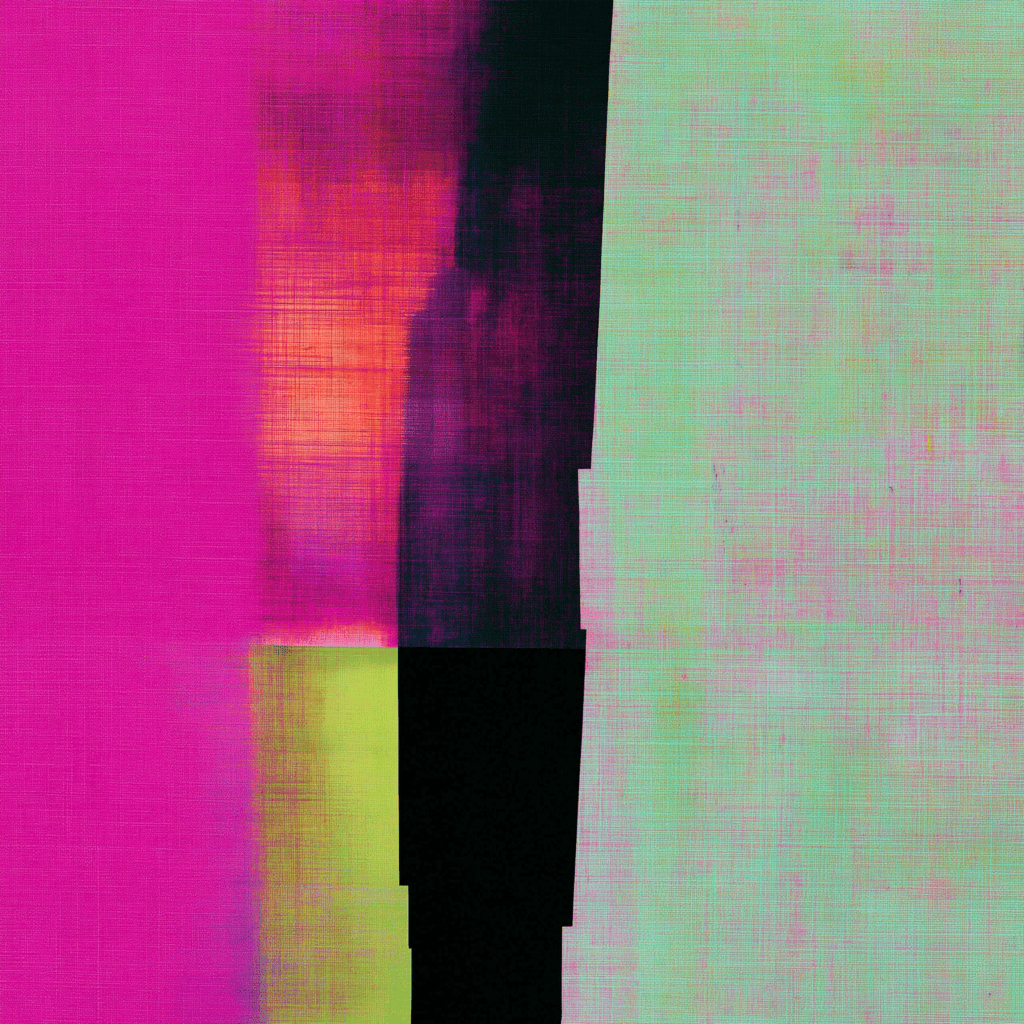
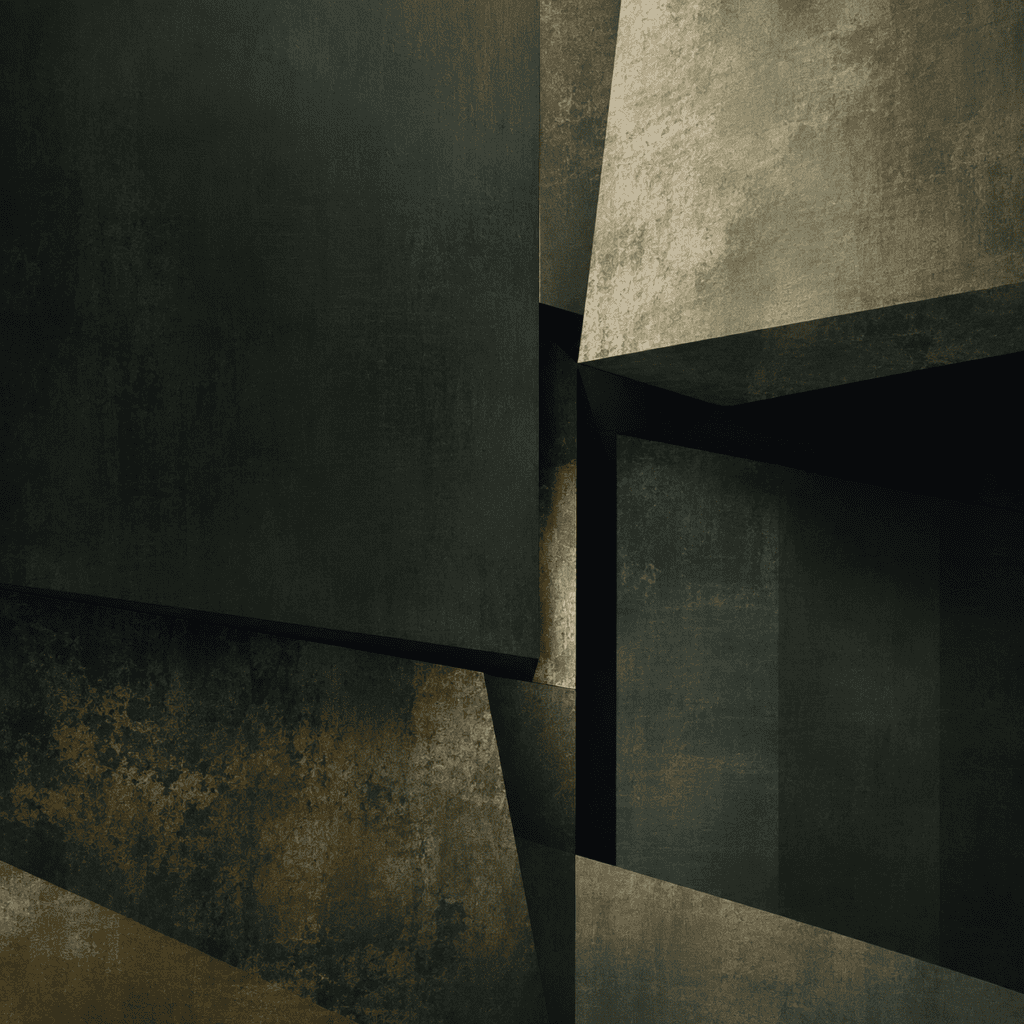
Explained
SIOS geometry
Airframe SIOS geometry is not a style or trend. It is a structural way in which form arises from operators rather than from decoration. Every line, curve, and fold in these works is generated by an underlying Spatial‑Identity Operator System (SIOS)—a set of rules that governs how space organises itself.
Airframe SIOS geometry is geometry with internal necessity: nothing is arbitrary, nothing is ornamental. The images behave like architectural objects rather than graphic designs.
What defines SIOS geometry
What defines SIOS geometry
- Operator‑driven form:
Geometry emerges from orientation, curvature, drift, torsion, and manifold alignment—never from “placing shapes until it looks right.
- Multi‑layer coherence:
Every layer of the image (direction, curve, twist, surface) is aligned with every other, producing a sense of inevitability and calm.
Drift resolution:
Spatial tension is absorbed and stabilised, so the work feels settled rather than chaotic or empty.
Non‑symbolic presence:
There is no narrative or representation. The work is not “about” something; it is a structured field of behaviour.
Form is not chosen; it emerges from the behaviour of space itself
EnquireHow SIOS geometry feels
SIOS geometry has a distinct experiential signature:
- Calm without blandness
- Complexity without noise
- Depth without confusion
- Structure without rigidity
People often describe these works as “clear,” “quietly intense,” or “architectural”—even when they don’t know why. That response comes from the underlying operator system.
Why it is different from generic geometric art
Most geometric art online arranges shapes—triangles, circles, polygons—according to taste or trend. SIOS geometry does something else: it models how space itself behaves under specific constraints.
This is why SIOS works feel:
- less like decoration
- more like spatial objects
- closer to architecture than to graphic design
Where SIOS geometry belongs
Because of its calm, coherent, non‑narrative presence, SIOS geometry sits naturally in:
- contemplative spaces
- architectural and interior contexts
- corporate and hospitality environments
- research and conceptual settings
It is designed to stabilise a space, not to dominate it.
Formal definition
SIOS Geometry
A generative class of visual structures produced by Spatial‑Identity Operator Systems.
These systems generate form through orientation, curvature, drift, torsion, and manifold alignment, resulting in geometry with internal necessity, multi‑layer coherence, and non‑symbolic phenomenological presence.
Airframe SIOS geometry is defined not by shapes but by operator behaviour, producing architectural, stabilising, and structurally intelligent visual fields.