State-Field Abstraction Explained
State-Field Abstraction treats the artwork as a field of interacting conditions.
Colour, mass, edge, interval and surface do not describe objects. They carry force. Each element alters the behaviour of the whole.
The work may contain compression, interference, transfer, separation, capture or release. It becomes complete when these forces settle into a coherent structure without losing the pressure that produced it.
A lineage of abstraction
State-Field Abstraction develops from several strands of twentieth-century abstract art.
From Colour Field painting, it inherits the use of large chromatic regions and the understanding that colour can act directly upon perception.
From geometric and hard-edge abstraction, it inherits structural division, sharp boundaries and the use of proportion to organise the field.
From Abstract Expressionism, it retains the physical record of making. Dragged pigment, abrasion, staining and partial erasure allow the surface to carry evidence of change.
From Minimalism, it draws restraint, repetition and the removal of unnecessary imagery.
Yet State-Field Abstraction does not belong fully to any one of these traditions.
Its subject is not colour alone.
It is not the perfection of fixed geometry.
It is not gesture as personal expression.
It is not reduction for its own sake.
Its subject is the behaviour of a system.
Form is not chosen; it emerges from the behaviour of space itself
EnquireFrom composition to state
Traditional composition often begins with objects or shapes arranged within a bounded space.
State-Field Abstraction begins with relations.
A dark structure may carry weight.
A pale region may resist or release it.
A narrow line may transmit force between two larger fields.
A small colour event may alter the balance of the entire work.
No element has a fixed meaning by itself. Its role emerges through its relation to every other condition in the image.
The artwork is therefore understood as a state rather than a picture.
A centreless field
State-Field works avoid a single governing centre.
Attention moves through competing regions, interruptions and pathways. Stability is distributed across the surface rather than secured by one dominant object.
This does not mean the work lacks structure.
It means structure arises from the whole field.
A piece may contain strong masses, sharp cuts or narrow channels, but none should provide a final answer. The field remains active because its forces continue to affect one another.
Pressure held in form
The defining quality of State-Field Abstraction is not disorder.
It is pressure brought into coherence.
The finished work retains evidence of the states through which it passed. Scraped passages, internal colour bruising, dissolved edges and abrupt structural cuts record interference and adjustment.
The final form feels settled, but not still.
It carries the memory of instability.
Voltworks
Voltworks is a practice within State-Field Abstraction.
Its series examine different forms of structural behaviour:
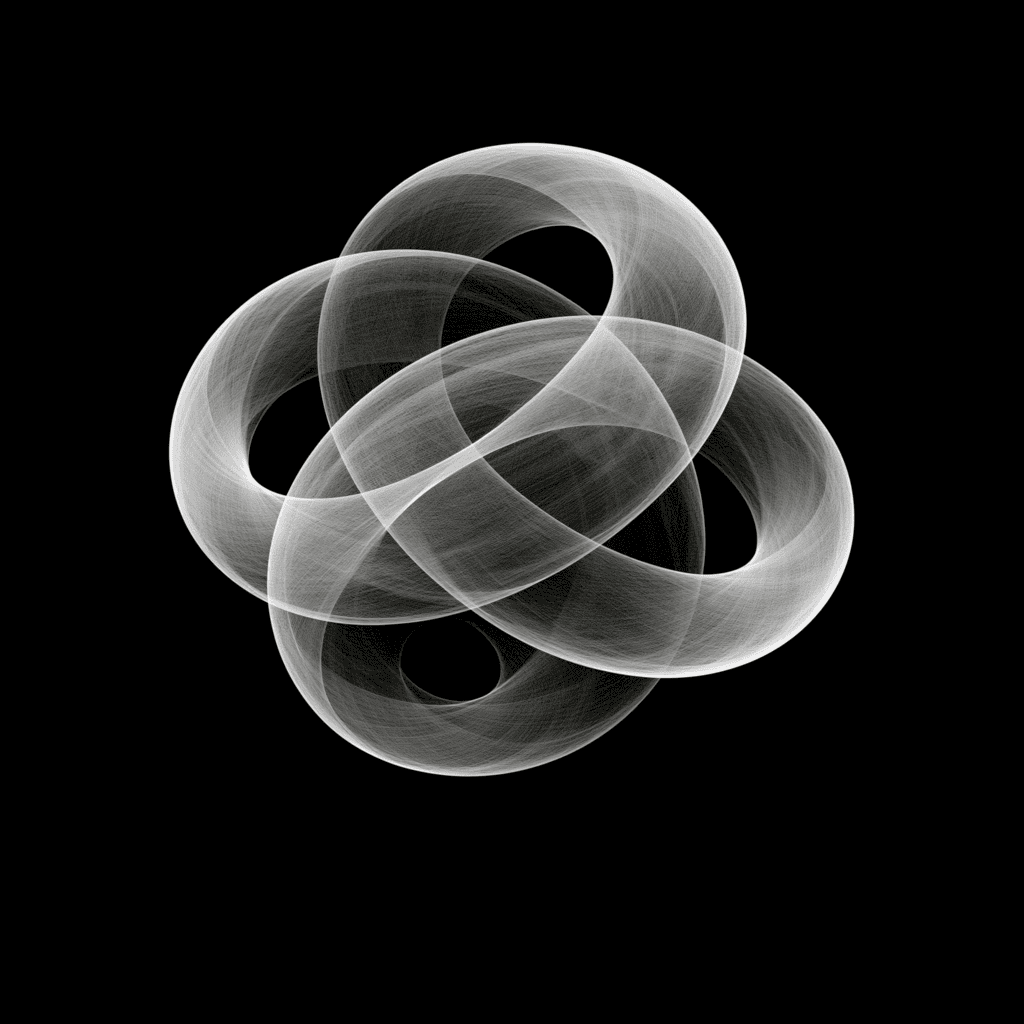
Load Path follows the movement, concentration and redirection of force.
Signal Pressure explores chromatic intensity as a transmitted condition.
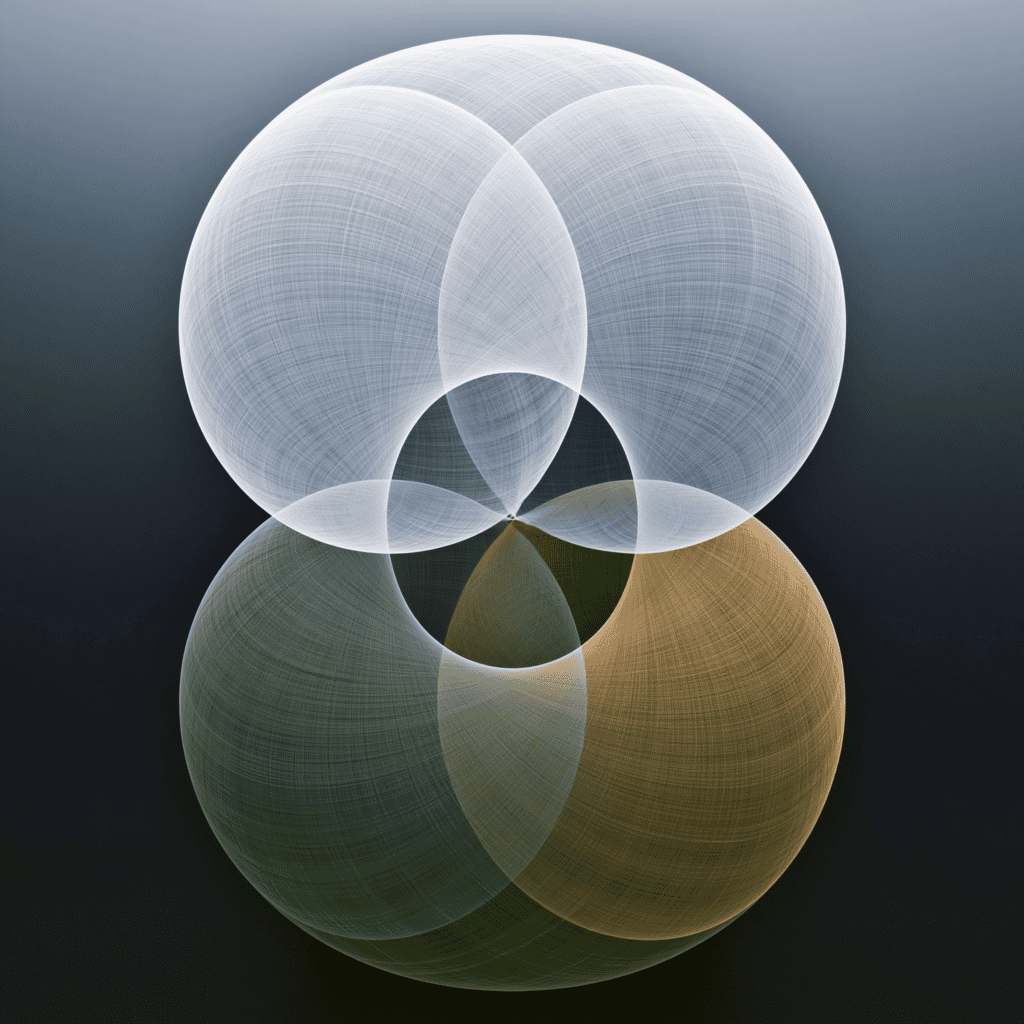
Split State examines separation, interference and unstable division.
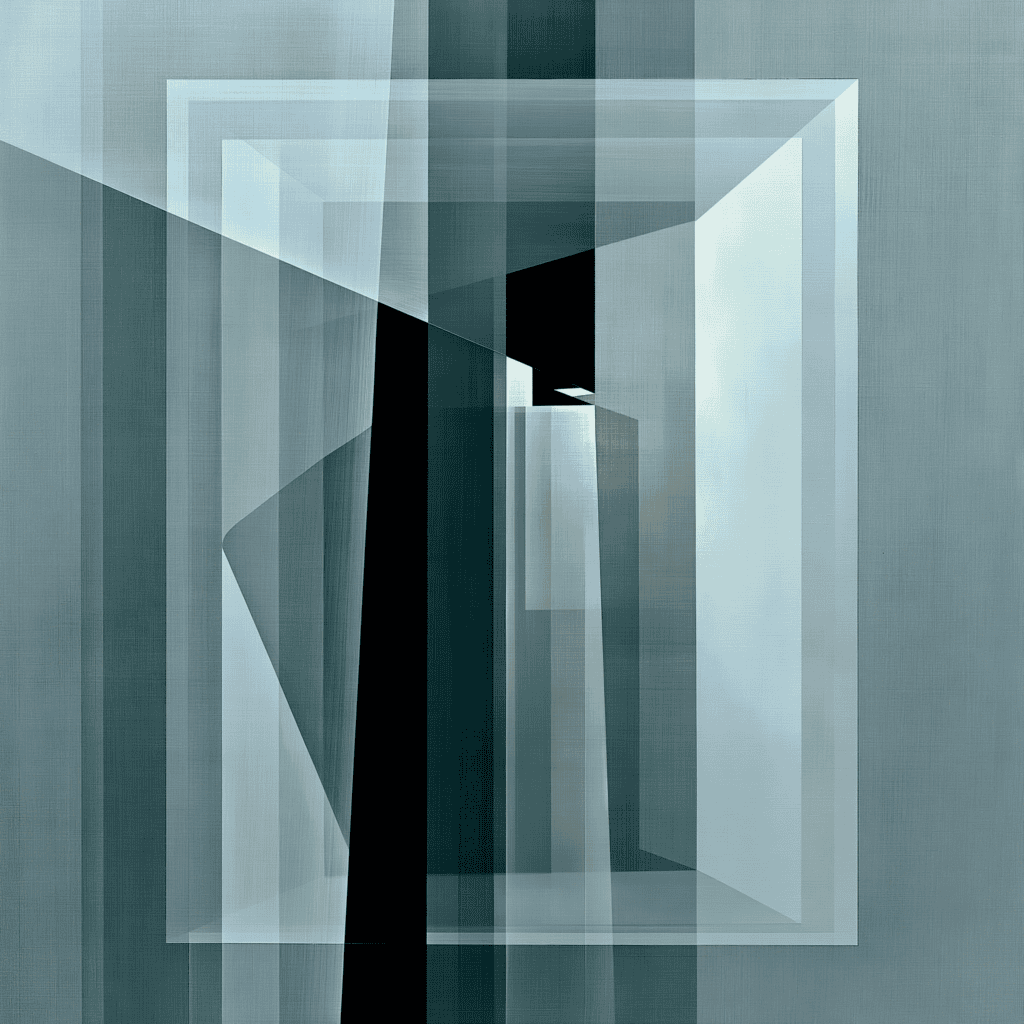
Threshold Geometry studies the points at which one condition becomes another.
Across these works, colour behaves as force and form acts upon the whole.
The image is not an illustration of a system.
The image is the system.
Voltworks Working definition
State-Field Abstraction is a form of non-representational art in which colour, structure and surface describe interacting states, constraints and transitions across a centreless field.
The work reaches completion when these relations form a coherent order without eliminating the pressure that formed them.